 Original photograph
Accessibility & independenceTested in a study
A prosthetic knee learned its wearer's walk in about ten minutes
Discover the storyResult & evidence
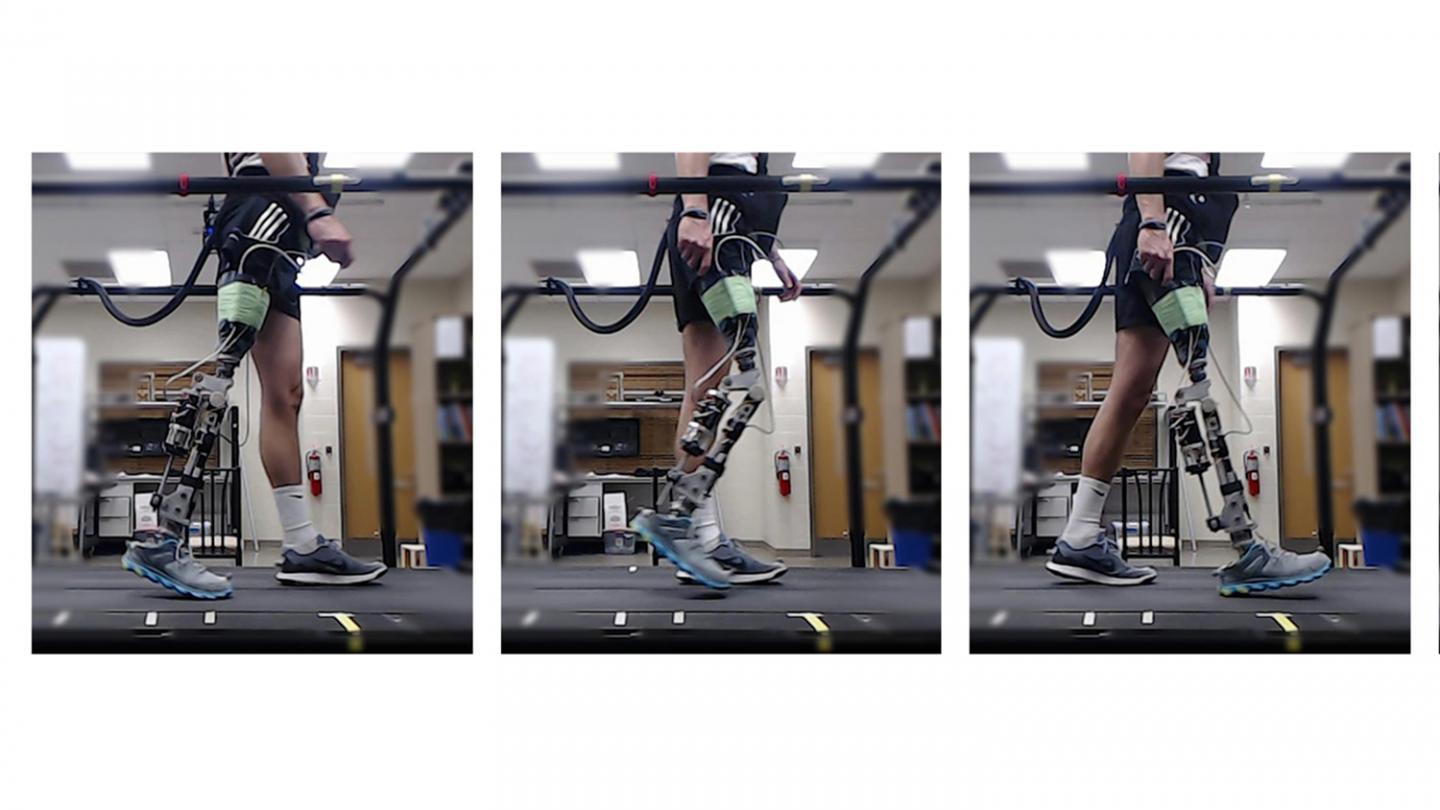
Reinforcement learning adjusted a powered knee's control settings during walking, demonstrating a route to faster individual fitting as the wearer and device adapted to each other.
Documented result
In two participants, including one with an amputation, the controller reached target knee motion after about 300 gait cycles, averaging ten minutes.
North Carolina State University; UNC; Arizona State University
United States 2019
Peer-reviewed studyIEEE Transactions on Cybernetics : Online Reinforcement Learning Control for the Personalization of a Robotic Knee Prosthesis
A two-person treadmill experiment targeted reference knee motion; comfort preferences, stairs and everyday safety were not established.
- Online Reinforcement Learning Control for the Personalization of a Robotic Knee Prosthesis IEEE Transactions on Cybernetics · 2019-01-16
- Reinforcement Learning Expedites ‘Tuning’ of Robotic Prosthetics North Carolina State University · 2019-01-17