
← Back to the homepage
BIGGER PICTURE 99 AI stories

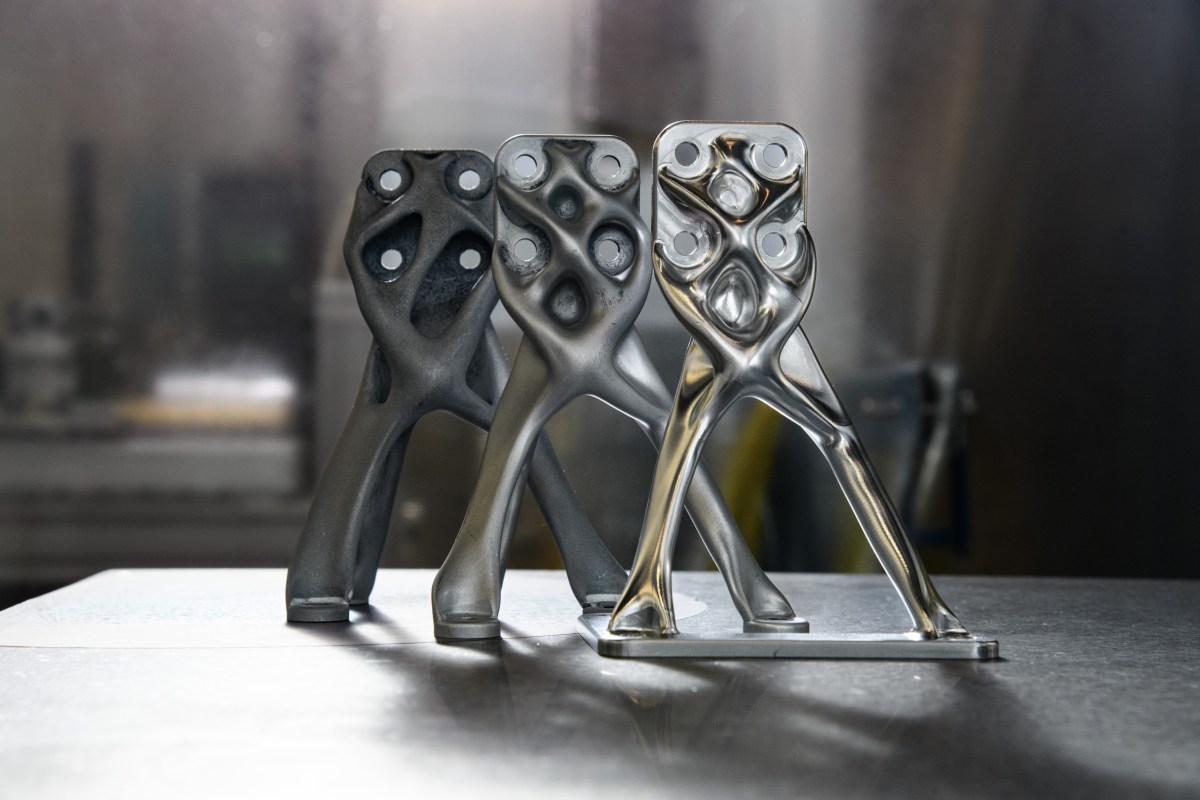
NASA parts shaped like bones.
Burnt scrolls read unopened.

Explore all 99 applications
Three metal telescope supports with branching, curved struts and bolt holes on a workbench.
NASA / Henry DennisNASA media guidelinesWhy this shape?
How this collection was selected

We selected 99 distinct applications with a traceable benefit for people or a demonstrated step towards one. Each links to an original study, a report by an involved institution, or an explicitly labelled provider report. The order starts with particularly tangible examples; it is not a ranking.

“In use” describes use in the documented project, not independent proof of effectiveness or a guarantee of current operation. Study evaluations and research are labelled separately. Better predictions, higher detection rates and saved working time do not automatically mean lives saved or a net social benefit. Each case explains its specific limit. This selection is not a statistical comparison with incidents in the register.

Sources reviewed: 14 November 2026

How did they do it?

Every example freely accessible

61–72 of 99 matches · 99 applications in total

AI-generated illustration: A suspicious payment paused for review before funds leave.
The sender is real. The danger may be waiting at the other end.
Public & everyday servicesIn use

The bank sees a scam before the money leaves

Discover the story
Result & evidence

TSB uses AI risk signals to identify suspicious bank transfers, including payments people are manipulated into authorising. Bank staff can intervene before money reaches a scammer, adding another layer of protection for customers.

Documented result

Mastercard reports that TSB’s detection of authorised push-payment fraud increased by 20% after adopting Consumer Fraud Risk in July 2023.

TSB; Mastercard
United Kingdom 2023

Provider-reported detection improvement, not a randomized estimate of losses prevented; false alarms still require review.

Reviewed 2026-11-14
AI-generated illustration: Conceptual wastewater tank cutaway with controlled aeration and oxygen sensors.
Can a virtual sensor help decide how much air wastewater bacteria need?
Energy & climateIn use

Giving wastewater bacteria the air they actually need

Discover the story
Result & evidence

AI analyses operating data at Cuxhaven’s wastewater plant and recommends aerator settings, helping its operators match treatment intensity to incoming conditions while maintaining required water-quality standards for the community.

Documented result

Xylem’s case report describes a 30% reduction in aeration energy use after deploying its AI treatment-optimisation system.

EWE WASSER; Xylem
Cuxhaven, Germany 2021

The saving applies to aeration, not all plant energy; it is a supplier-reported operational comparison.

Reviewed 2026-11-14
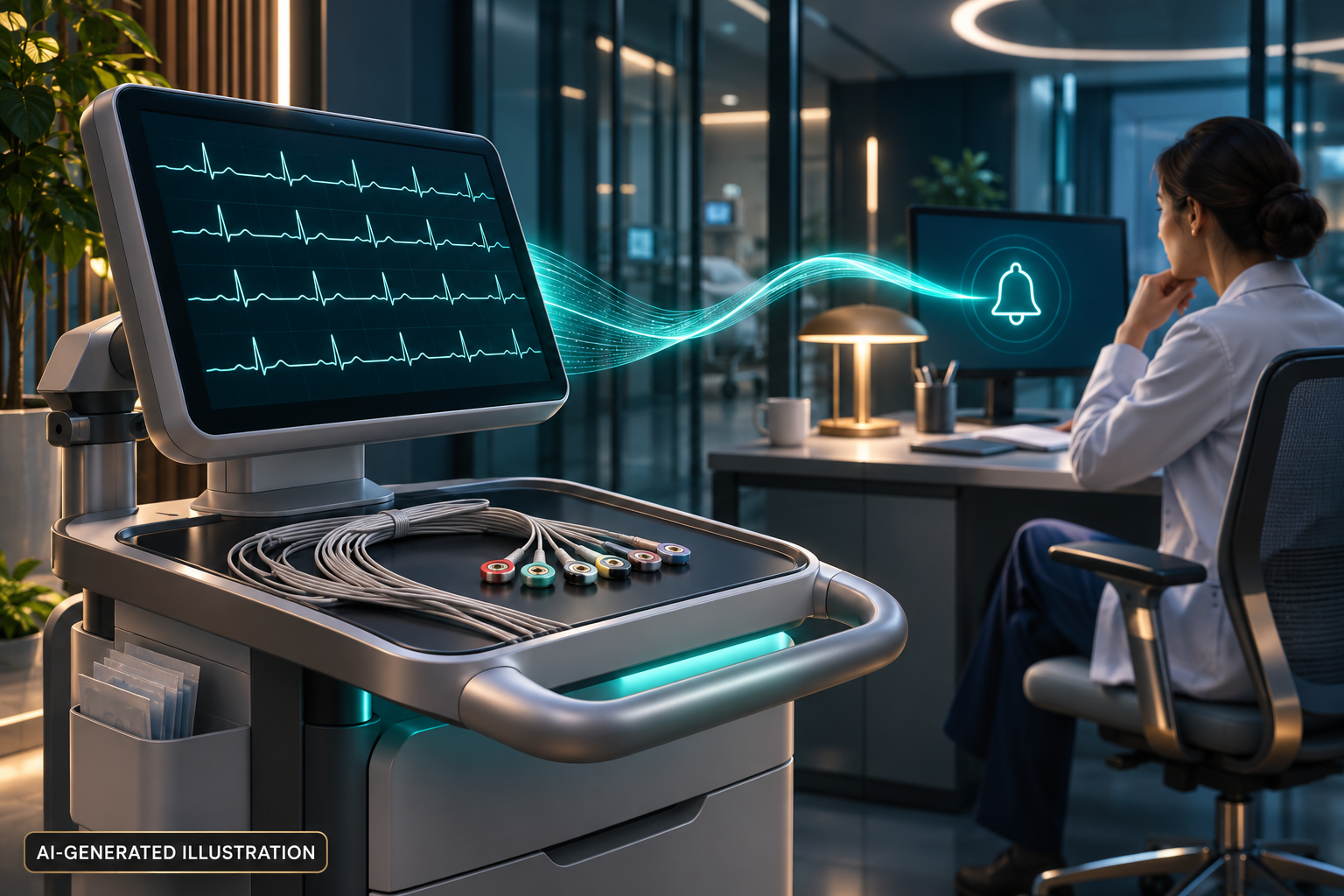
AI-generated illustration: An ECG-based alert prompts the clinical team to review a patient.
Could an ordinary heart tracing tell a doctor who needs a closer look?
Better careTested in a study

An ECG alert trial ended with fewer deaths after 90 days

Discover the story
Result & evidence

A Taiwanese randomized trial used AI analysis of routine ECGs to alert treating physicians to high-risk patients, prompting further clinical attention and reducing ninety-day mortality in the studied setting.

Documented result

Among 15,965 patients, 90-day mortality was 3.6% with AI alerts versus 4.3% with usual care; the hazard ratio was 0.83.

Tri-Service General Hospital; National Defense Medical Center
Taiwan 2024

The effect depends on local ECG use and clinical response; the precise mechanism of the mortality reduction was not fully established.

Reviewed 2026-11-14
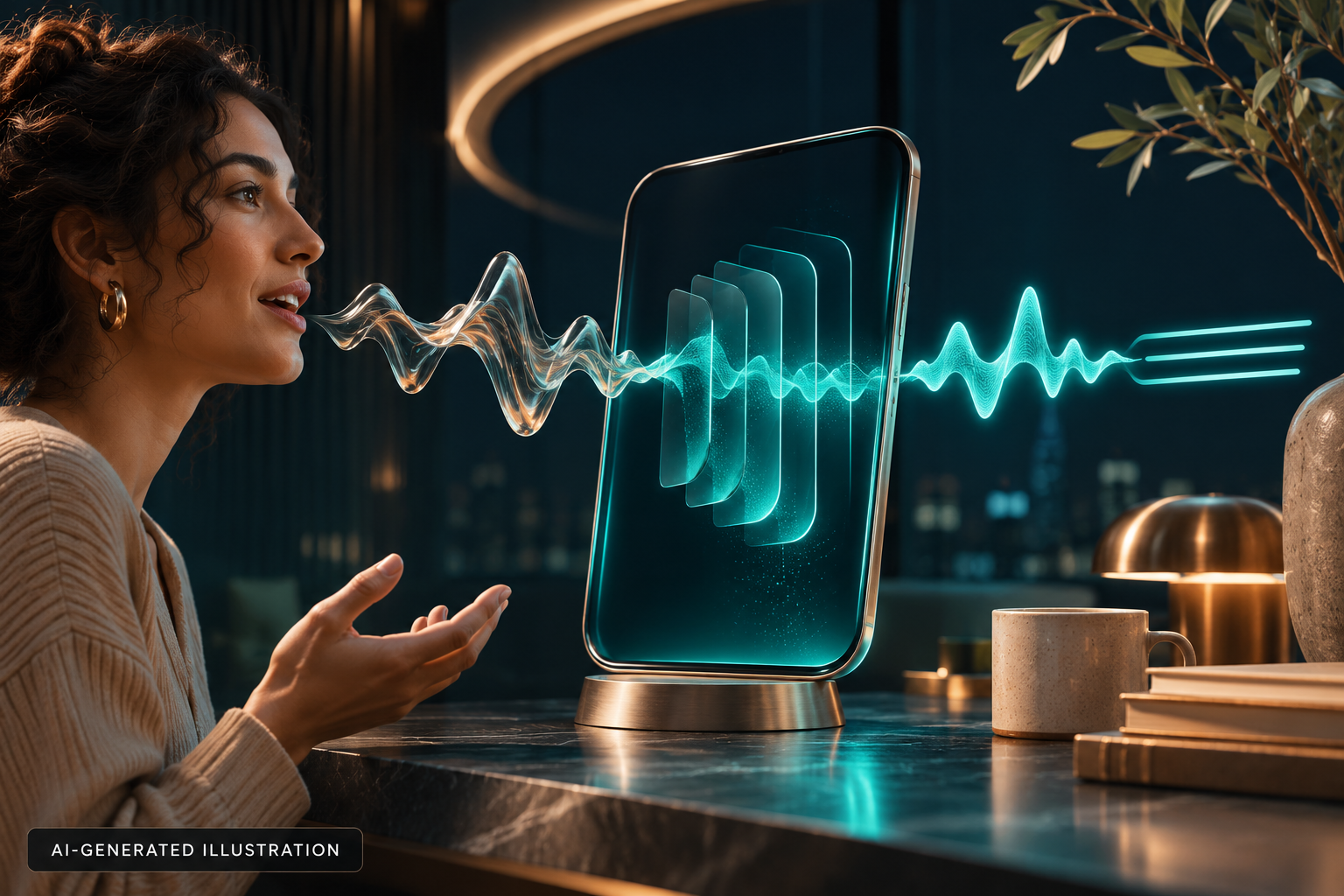
AI-generated illustration: A speech recogniser adapts to an individual speaker’s patterns.
Five hundred recorded phrases can help a phone learn an unfamiliar voice.
Accessibility & independenceTested in a study

The speech recogniser learns the speaker

Discover the story
Result & evidence

Project Relate learned an individual's speech patterns from recorded phrases, giving people with speech impairments a way to display their words or repeat them through a clearer synthesized voice.

Documented result

The initial Android test provided personalized live transcription and synthesized repetition, developed with people whose speech differed from standard training examples.

Google Research; Project Relate participants
Australia, Canada, India, New Zealand and United States 2021

The initial test targeted English speakers and required personal recordings; the launch report did not measure population-wide communication gains.

Reviewed 2026-11-14
AI-generated illustration: Conceptual rain cloud with translucent possible future positions over a valley.
Several possible storms can tell forecasters more than one smoothed-out prediction.
Disaster preparednessTested in a study

Forecasting a downpour without blurring it away

Discover the story
Result & evidence

A generative AI model learns how radar rain patterns evolve and produces detailed short-term forecasts, supporting forecasters who need to judge approaching downpours before a conventional weather forecast can be updated.

Documented result

More than fifty Met Office experts evaluated the model and preferred its forecast accuracy and usefulness over two competing approaches.

Google DeepMind; UK Met Office
United Kingdom 2021

Expert evaluation supports decision usefulness; it does not demonstrate fewer flood victims or routine deployment.

Reviewed 2026-11-14
AI-generated illustration: A conceptual chip layout arranging functional blocks and interconnections.
Before silicon becomes a processor, its crowded neighbourhood needs a workable layout.
Scientific discoveryIn use

A chip’s floor plan can be learned

Discover the story
Result & evidence

Learning-based floorplanning helps engineers arrange circuit blocks for efficient connections, contributing to the design of processors used in data centres and AI computing services.

Documented result

Google reported AlphaChip layouts in successive TPU generations; the public project documents placements used in manufactured TPU-v5 hardware.

Google DeepMind / Google Research
Global 2024

Production adoption is provider-reported. Floorplanning is one design stage; full-chip performance or energy gains cannot be attributed solely to AlphaChip.

Reviewed 2026-11-14
AI-generated illustration: A structured text conversation represents the chatbot studied in a controlled trial.
A chat window, eight weeks, measured symptoms: can a conversation make a difference?
Better careTested in a study

A therapy chatbot was tested for eight weeks. What changed?

Discover the story
Result & evidence

Dartmouth's Therabot offered structured conversations through a smartphone, testing whether carefully developed generative AI could provide additional support to adults experiencing depression, anxiety or eating-related concerns.

Documented result

In a 210-person randomized trial, depression participants using Therabot reported a 51% average symptom reduction; the comparison group had no chatbot access.

Dartmouth College; Geisel School of Medicine
United States 2025

The comparator was a waitlist, not psychotherapy; clinician oversight and short follow-up limit conclusions about autonomous care.

Reviewed 2026-11-14
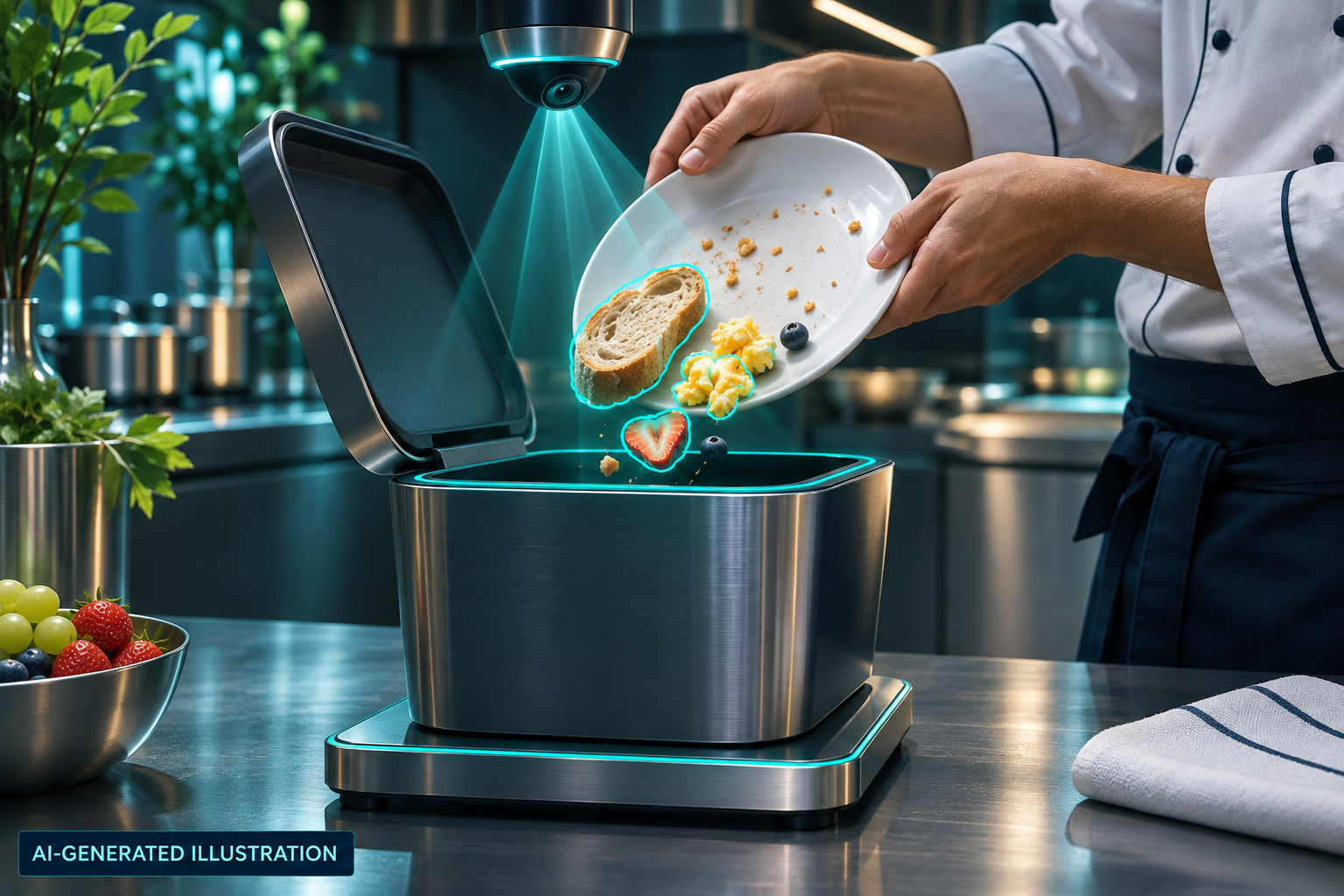
AI-generated illustration: Conceptual smart kitchen bin weighing and observing breakfast leftovers.
Yesterday’s leftovers can help a chef decide how much breakfast to make.
Nature & foodTested in a study

The kitchen bin can explain tomorrow’s breakfast

Discover the story
Result & evidence

AI measures which foods hotel kitchens throw away and reveals recurring waste, giving chefs evidence to change preparation, portions and buffet replenishment while continuing to serve guests well.

Documented result

Hilton reported 62% less pre- and post-consumer food waste in its Green Breakfast pilot across 13 hotels in the United Arab Emirates.

Hilton; Winnow; ne’ma
United Arab Emirates 2023

This combined AI measurement with staff behaviour changes; the report does not isolate the software’s causal contribution.

Reviewed 2026-11-14
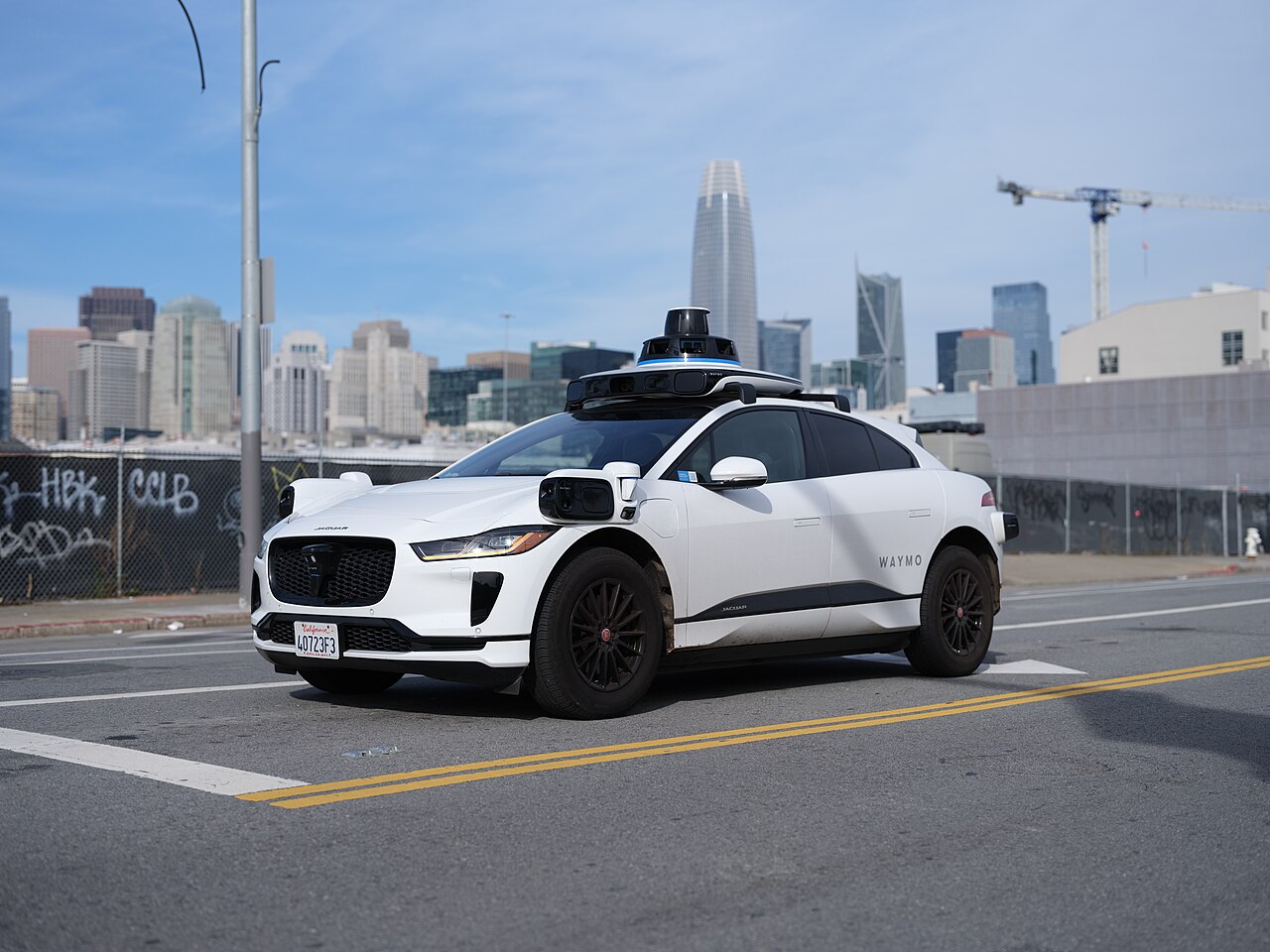
A white Waymo Jaguar I-Pace with roof sensors driving on a San Francisco street.Original photograph
Dllu / Wikimedia CommonsCC BY 4.0
Public & everyday servicesIn use

A driverless-car safety claim checked against insurance records

Discover the story
Result & evidence

Fully autonomous ride services can reduce exposure to human driving errors within their operating areas. Waymo and Swiss Re tested that possibility against insurance claims rather than relying only on simulated driving performance.

Documented result

Across 25.3 million driverless miles, the study found 92% fewer bodily-injury claims and 88% fewer property-damage claims than its human baseline.

Waymo; Swiss Re
Phoenix, San Francisco, Los Angeles and Austin, United States 2024

Company-linked observational comparison in specific operating areas; claims are a proxy and do not mean zero crashes.

Reviewed 2026-11-14
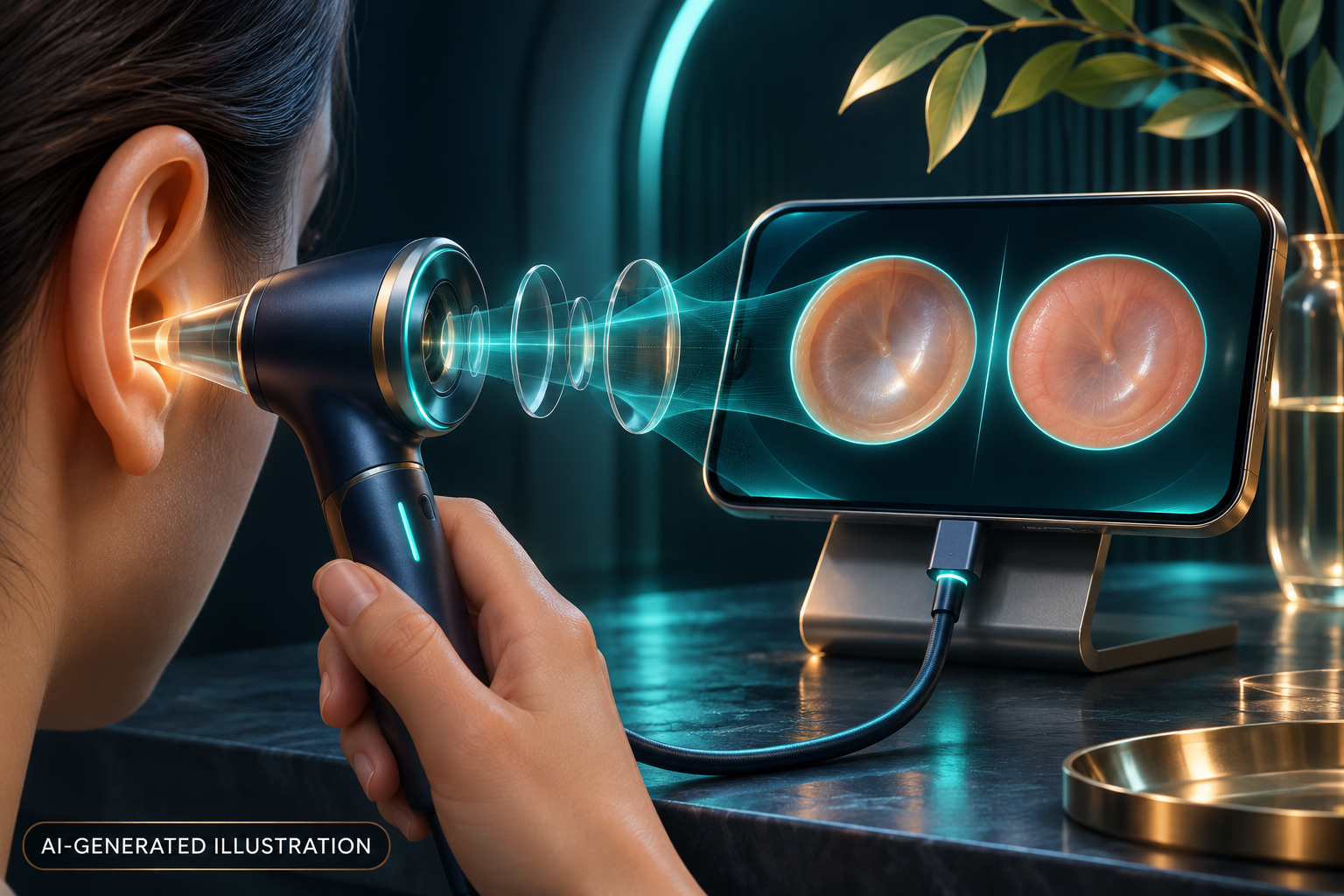
AI-generated illustration: An otoscope video is analysed for visual clues in the eardrum.
What can a few moving frames reveal that a fleeting glance might miss?
Earlier diagnosisTested in a study

A few seconds of eardrum video make a difficult distinction visible

Discover the story
Result & evidence

A smartphone-connected otoscope and AI classifier examined short eardrum videos, giving clinicians an additional assessment when distinguishing an acute middle-ear infection from conditions that do not require the same treatment.

Documented result

In a diagnostic study using 1,151 videos, the classifier achieved 93.8% sensitivity and 93.5% specificity against expert otoscopists' assessments.

University of Pittsburgh; UPMC Children's Hospital
Pittsburgh, United States 2024

Diagnostic accuracy was measured on held-out videos; reduced antibiotic prescribing was a potential benefit, not an observed outcome.

Reviewed 2026-11-14
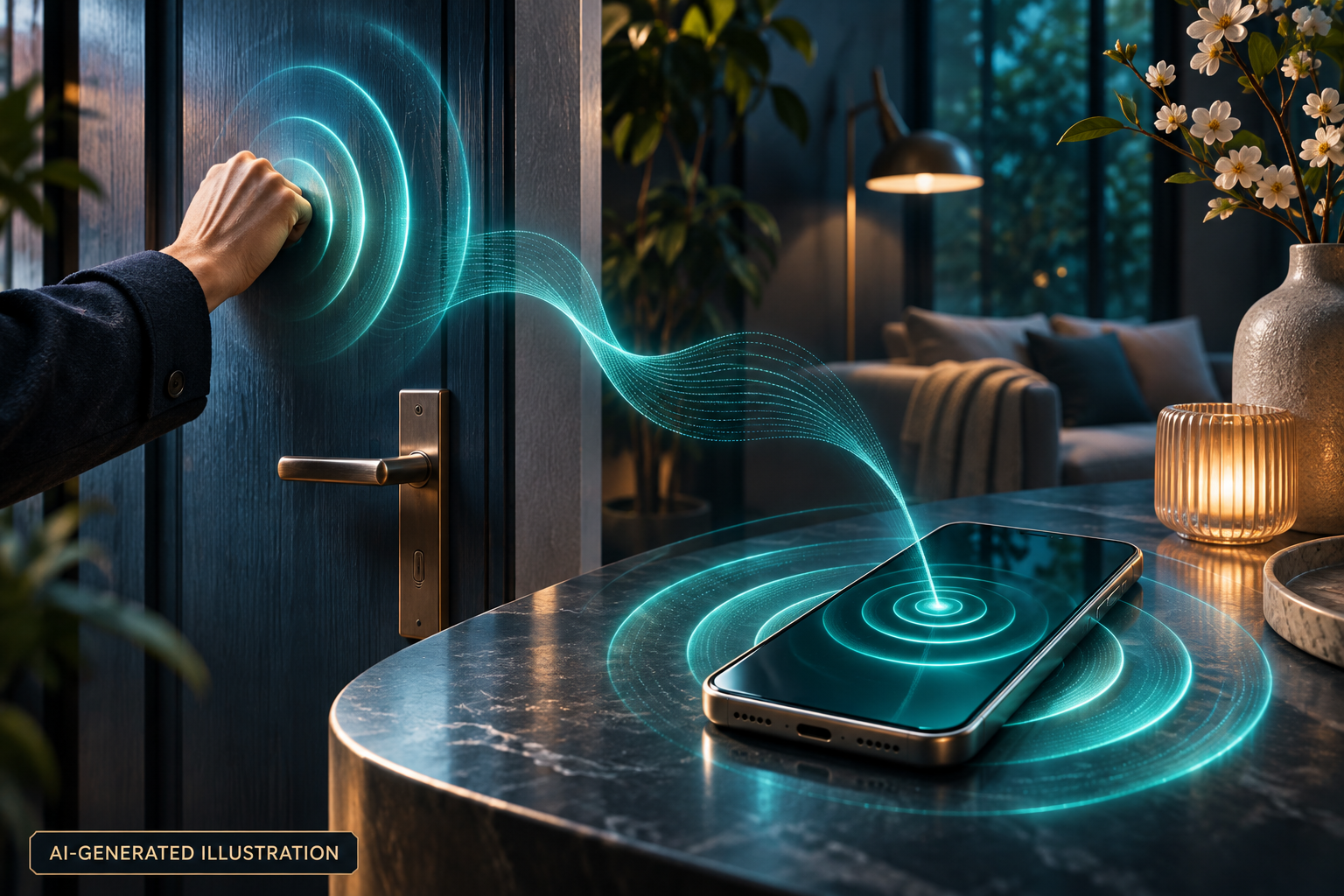
AI-generated illustration: A household sound becomes a visible and vibrating phone alert.
Running water, a beep, a knock: what if your phone could tap your pocket?
Accessibility & independenceIn use

A knock at the door becomes a vibration in your pocket

Discover the story
Result & evidence

Android's Sound Notifications used machine learning to recognize household noises and translate them into visual or vibrating alerts, giving people with hearing loss another way to notice activity around them.

Documented result

At launch, the offline system recognized ten sound types, including running water, door knocks and appliance beeps, with phone or watch alerts.

Google Android Accessibility
Global 2020

The feature recognizes a defined set of sounds through the phone microphone; the announcement does not quantify reliability or safety outcomes.

Reviewed 2026-11-14
AI-generated illustration: Conceptual forecaster examining a strengthening storm with an abstract radar cue.
Radar, lightning, satellites: three clues to a storm’s next dangerous hour.
Disaster preparednessIn use

Which storm on the screen is about to become dangerous?

Discover the story
Result & evidence

ProbSevere combines radar, satellite and weather-model information to estimate the next hour’s severe-weather risk, helping human forecasters distinguish threatening storms and decide where warnings deserve urgent attention.

Documented result

Version 3 improved on its predecessor across most of the United States and became operational at NOAA in August 2025.

NOAA; University of Wisconsin–Madison CIMSS
United States 2025

These are probabilities for forecasters; tornado improvements were modest and official warnings remain a human responsibility.

Reviewed 2026-11-14
A bigger picture of AI starts with concrete evidence.Back to filters ↑