← Back to the homepage
BIGGER PICTURE 99 AI stories

NASA parts shaped like bones.
Burnt scrolls read unopened.

Explore all 99 applications
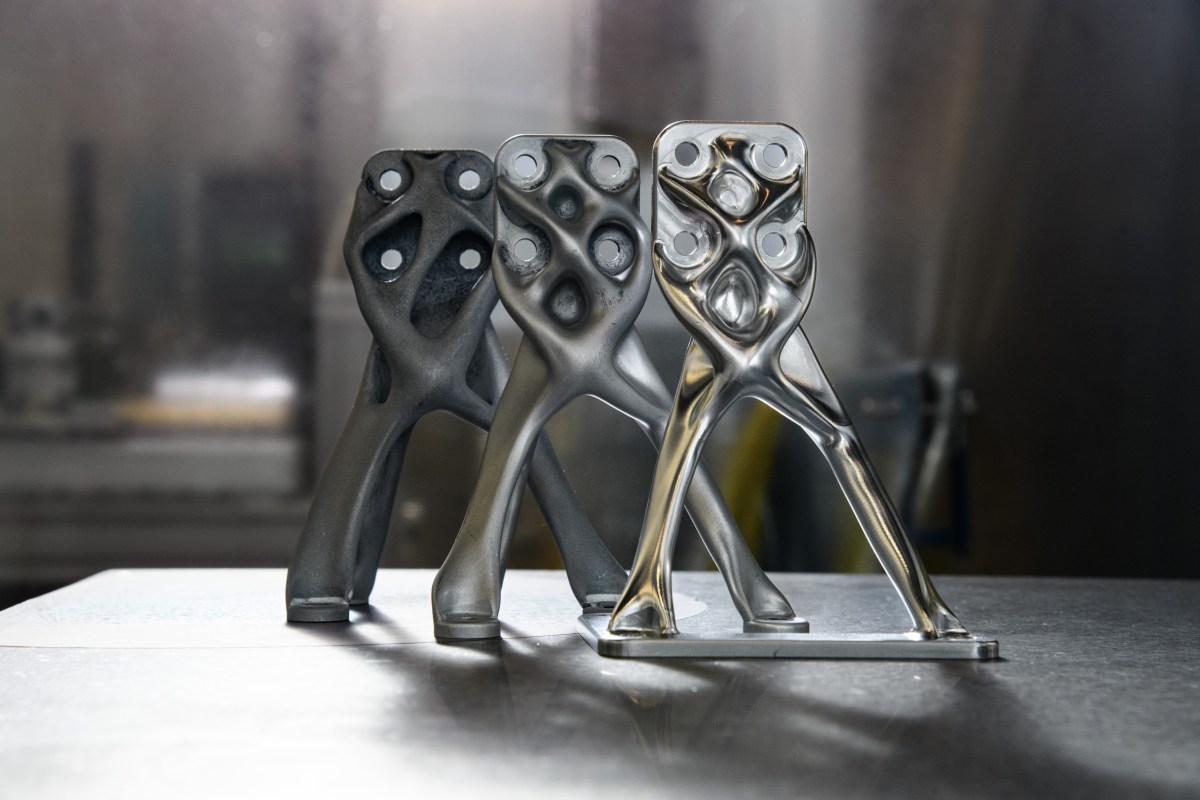
Three metal telescope supports with branching, curved struts and bolt holes on a workbench.
NASA / Henry DennisNASA media guidelinesWhy this shape?
How this collection was selected

We selected 99 distinct applications with a traceable benefit for people or a demonstrated step towards one. Each links to an original study, a report by an involved institution, or an explicitly labelled provider report. The order starts with particularly tangible examples; it is not a ranking.

“In use” describes use in the documented project, not independent proof of effectiveness or a guarantee of current operation. Study evaluations and research are labelled separately. Better predictions, higher detection rates and saved working time do not automatically mean lives saved or a net social benefit. Each case explains its specific limit. This selection is not a statistical comparison with incidents in the register.

Sources reviewed: 14 November 2026

How did they do it?

Every example freely accessible

1–12 of 99 matches · 99 applications in total

Three metal telescope supports with branching, curved struts and bolt holes on a workbench.Original photograph
NASA / Henry DennisNASA media guidelines
Scientific discoveryResearch

Why NASA’s AI-designed parts look like bones

See the parts, materials & results
Result & evidence

NASA engineers use AI-assisted generative design to shape customised instrument supports. Lighter structures can leave more mass available for scientific equipment, while faster prototyping helps teams test and refine their engineering ideas.

Documented result

NASA reports components with up to two-thirds less weight and prototype design, analysis and fabrication possible in as little as a week.

NASA Goddard Space Flight Center
Greenbelt, Maryland, United States 2023

Examples reported by the engineering team; human review and qualification testing remain essential for flight hardware.

Reviewed 2026-11-14
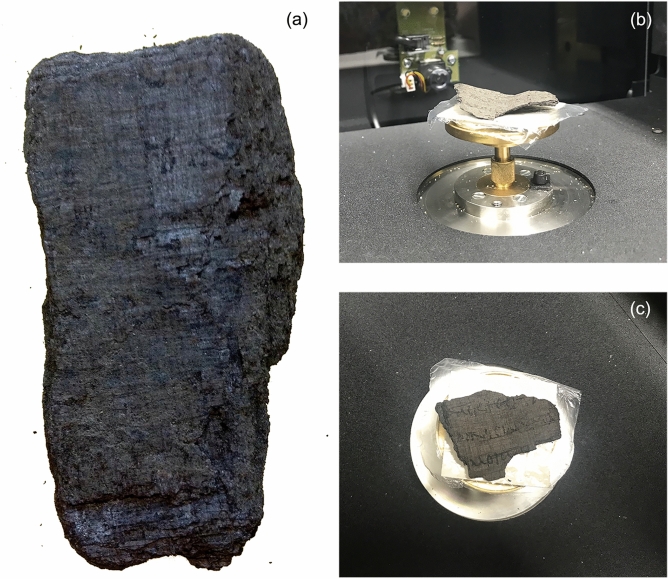
Three photographs show two carbonised Herculaneum papyrus fragments: a close view of a layered fragment and two views of another fragment on a laboratory mount.Original photograph
Sara Stabile et al., Scientific Reports (2021)CC BY 4.0
Scientific discoveryResearch

A burnt scroll speaks again—without being opened

Discover the story
Result & evidence

Machine learning detected ink patterns in X-ray scans of carbonised Herculaneum papyri. Scholars could recover previously inaccessible writing while leaving the fragile rolled manuscripts physically intact, preserving both the artefacts and their contents.

Documented result

The 2023 challenge’s winning method revealed more than 2,000 characters across 15 text columns, reviewed by expert papyrologists.

Vesuvius Challenge; University of Kentucky; Diamond Light Source
Herculaneum, Italy; Oxfordshire, United Kingdom 2024

The milestone covered a small part of one scroll; expert reading is required and the whole library was not deciphered.

Reviewed 2026-11-14
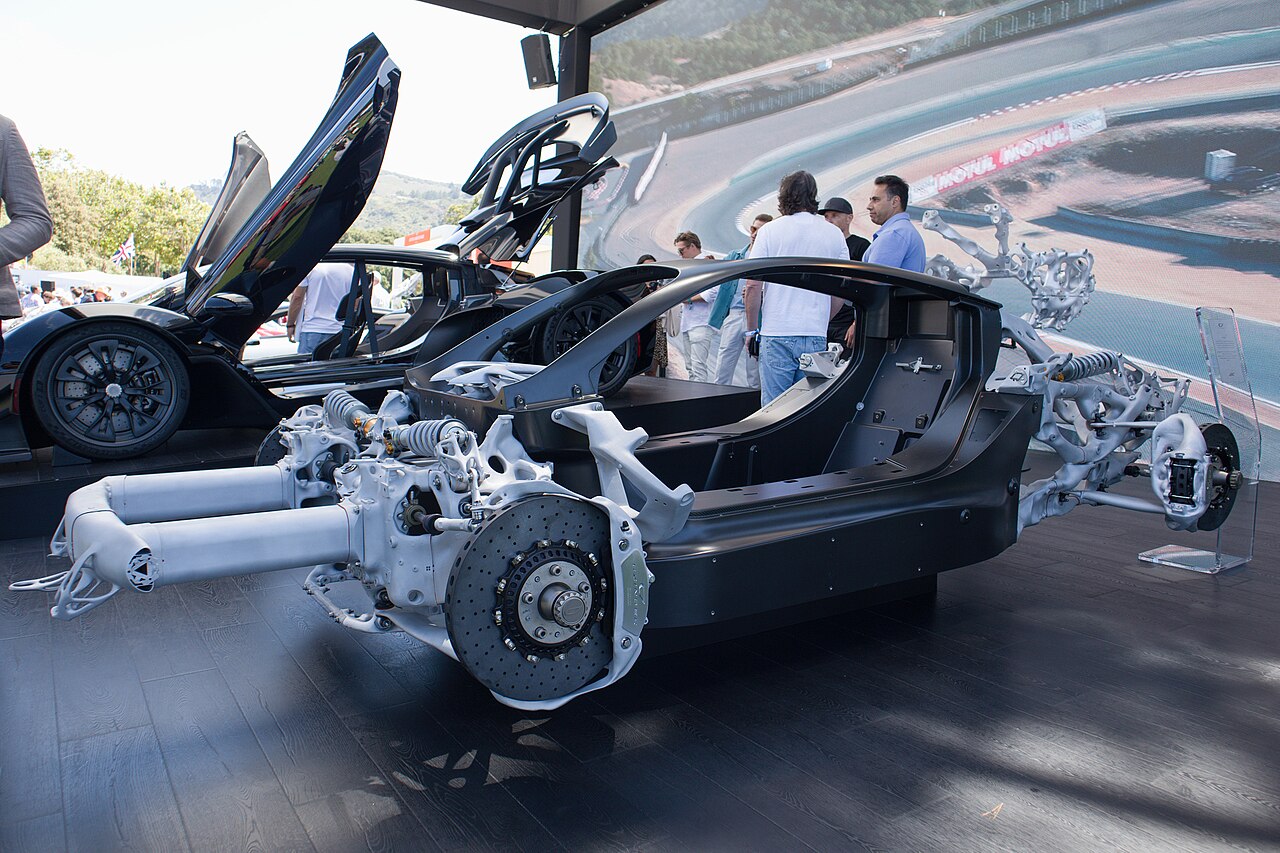
A Czinger 21C chassis without bodywork, showing branching silver structures around the suspension and a dark central passenger cell.Original photograph
Prova MO / Wikimedia CommonsCC BY-SA 4.0
Scientific discoveryIn use

The record-breaking hypercar with AI-shaped metal bones

Discover the story
Result & evidence

Czinger connects AI-assisted structural design to metal printing and robotic assembly. Its hollow, branching components show how engineers can pursue lighter structures that can actually be built.

Documented result

The 21C set Goodwood’s 2024 production hillclimb record at 48.82 seconds. Czinger separately claims about 25% less chassis weight versus its stated comparison architectures.

Czinger Vehicles / Divergent
California, United States; Goodwood, United Kingdom 2024

Goodwood confirms the historical 2024 time. The chassis-weight comparison is manufacturer-reported; neither result isolates AI’s contribution or establishes an environmental saving.

Reviewed 2026-11-14
AI-generated illustration: A conceptual street cutaway shows vibrations from a leaking water pipe reaching a separate fibre-optic cable.
A leak sends vibrations through the ground. An internet cable can pick them up.
Energy & climateTested in a study

The broadband cable that hears a leaking water pipe

Discover the story
Result & evidence

Machine learning separates leaking-pipe vibrations from traffic noise in fibre-optic measurements, directing water crews towards hidden failures and reducing the time treated drinking water escapes before repairs.

Documented result

A 2026 UK pilot located over 100 leaks in three months; project partners reported resulting savings of two million litres per day.

Affinity Water; Openreach; Lightsonic
England, United Kingdom 2026

These are pilot partners’ reported savings; crews still investigate and repair leaks, and results depend on local infrastructure.

Reviewed 2026-11-14
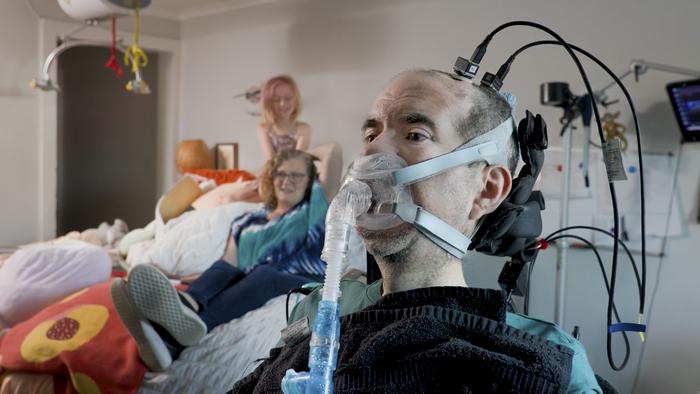
Casey Harrell sits at home with brain-interface cables connected above his head and his family behind him.Original photograph
Regents of the University of California, DavisEditorial reuse with attribution
Accessibility & independenceTested in a study

The brain implant that became Casey’s everyday voice

Discover the story
Result & evidence

An AI-powered brain-computer interface let a man with ALS communicate with family and colleagues and operate his computer at home, supporting independent conversation and continued employment despite paralysis.

Documented result

Over nearly two years, the participant used the system for more than 3,800 hours at home, communicating at an average of 56 words per minute.

UC Davis Health; BrainGate consortium
Sacramento, United States 2026

One participant with implanted electrodes; trained caregivers still set up the equipment, and conversational accuracy was below controlled-test accuracy.

Reviewed 2026-11-14
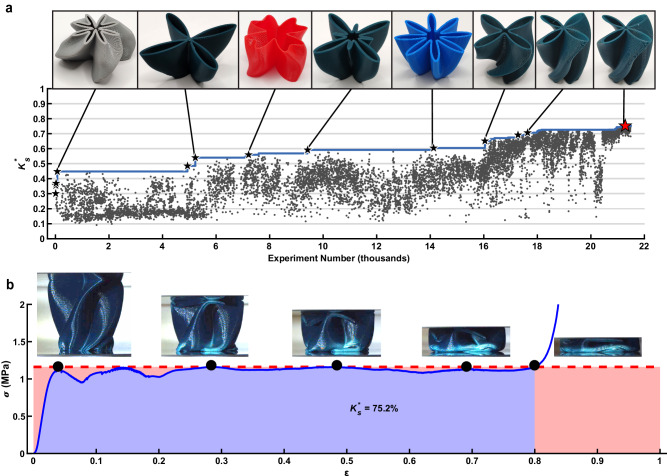
Research figure with tested printed shapes, campaign results and photographs of the Palm structure being compressed.Source illustration
Kelsey L. Snapp et al., Nature Communications (2024)CC BY 4.0
Scientific discoveryResearch

The robot that crushed 25,000 shapes to find a better cushion

Discover the story
Result & evidence

A robot repeatedly printed and compressed polymer shapes, helping researchers discover geometries that absorb energy before forces rise to damaging levels—a route to better protective structures.

Documented result

More than 25,000 physical tests produced a structure with 75.2% energy-absorbing efficiency under the study’s compression metric.

Boston University KABlab
Boston, Massachusetts, United States 2024

Laboratory compression efficiency is not an injury-reduction percentage. Protective products need application-specific testing; helmet padding used a different geometry.

Reviewed 2026-11-14
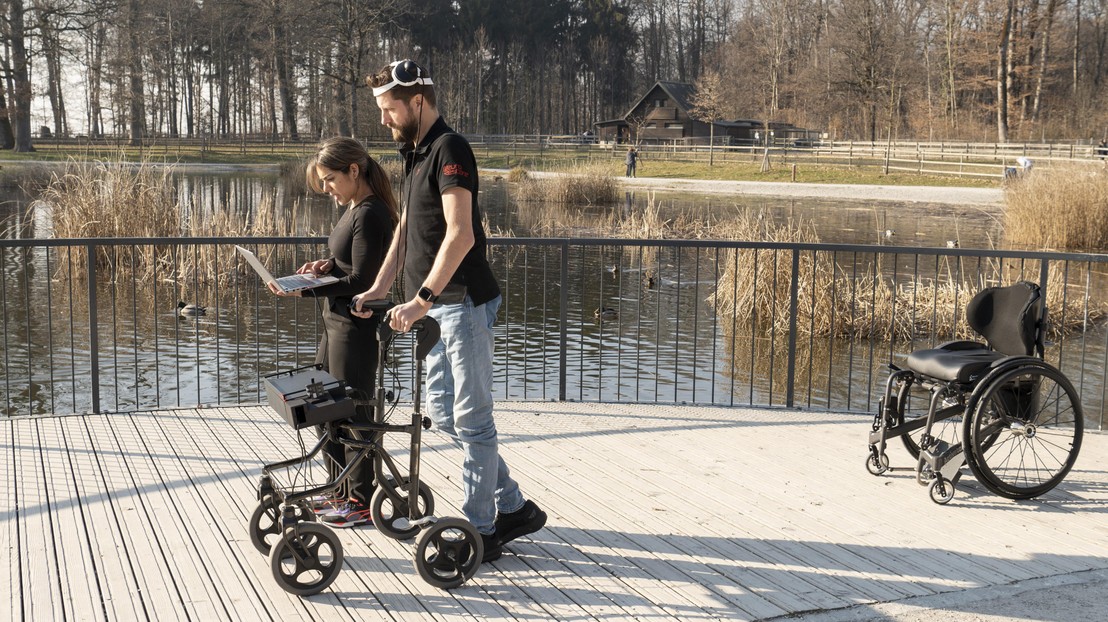
Gert-Jan Oskam walks with a wheeled support while researcher Andrea Galvez operates a laptop beside him.Original photograph
2023 EPFL / Gilles WeberCC BY-SA 4.0
Accessibility & independenceTested in a study

A digital detour around a spinal injury

Discover the story
Result & evidence

A digital bridge decoded brain signals and controlled spinal stimulation, helping a person with a spinal cord injury voluntarily stand and walk on different terrains using assistive support.

Documented result

One participant with chronic tetraplegia regained control of standing and walking; some walking ability persisted when the interface was switched off.

NeuroRestore; EPFL; CHUV; CEA
Switzerland and France 2023

A single individual with partial spinal-cord damage received implants and rehabilitation; general effectiveness remains to be established.

Reviewed 2026-11-14
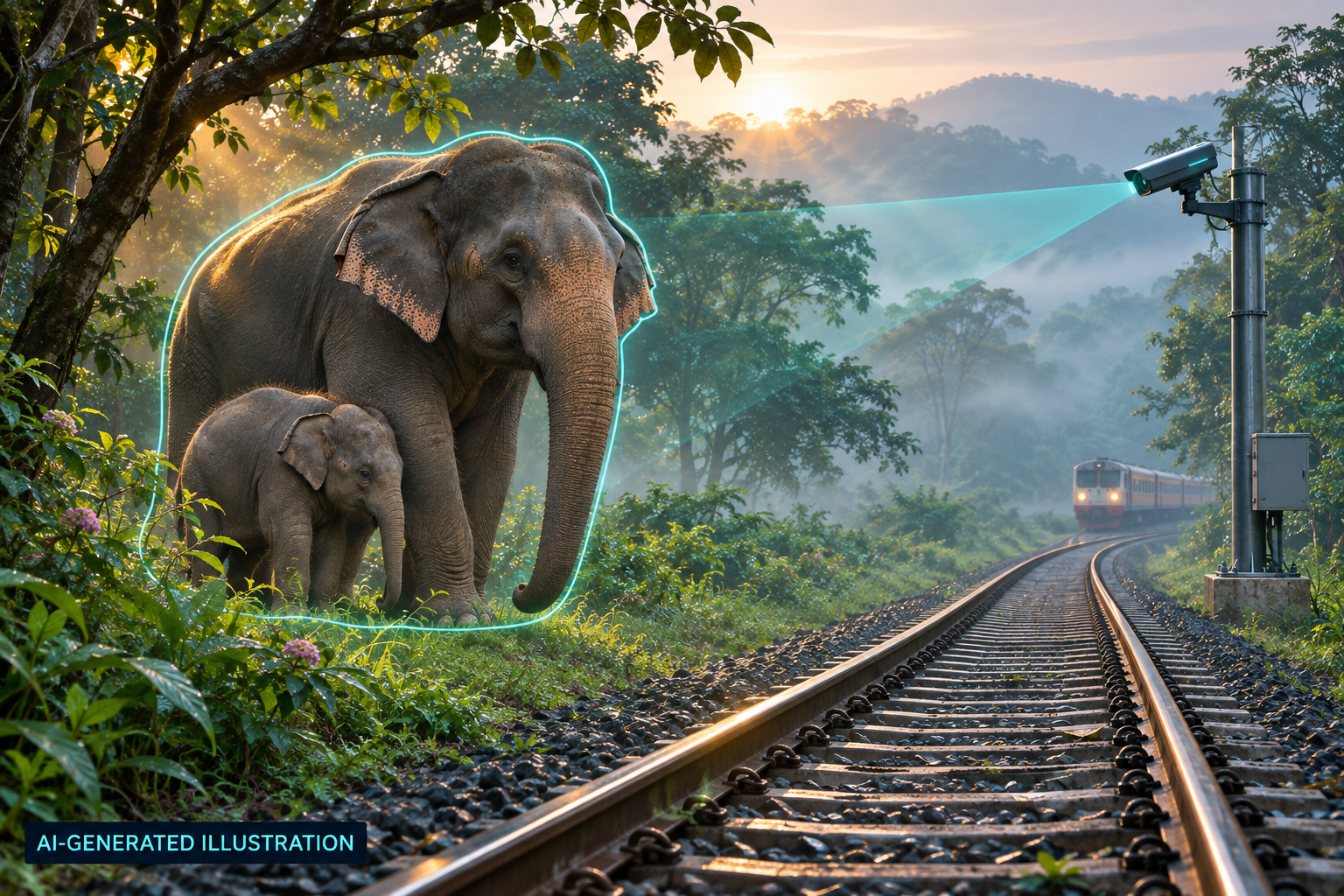
AI-generated illustration: Conceptual elephants beside a railway monitored by a camera tower.
The crucial moment comes before an elephant and a train share the track.
Nature & foodIn use

Elephants on the railway: the seven kilometres watched by AI

Discover the story
Result & evidence

AI surveillance detects elephants near a vulnerable railway corridor and sends alerts so teams can intervene, supporting safer coexistence between rail transport and wildlife moving through a fragmented landscape.

Documented result

India’s government reported 6,595 alerts and no recorded elephant train-collision deaths on the monitored stretch between December 2023 and January 2026.

Tamil Nadu Forest Department; Indian railway partners
Madukkarai, Tamil Nadu, India 2026

This is an observational report for seven kilometres; zero recorded deaths is not proof of universal or solely AI-caused prevention.

Reviewed 2026-11-14
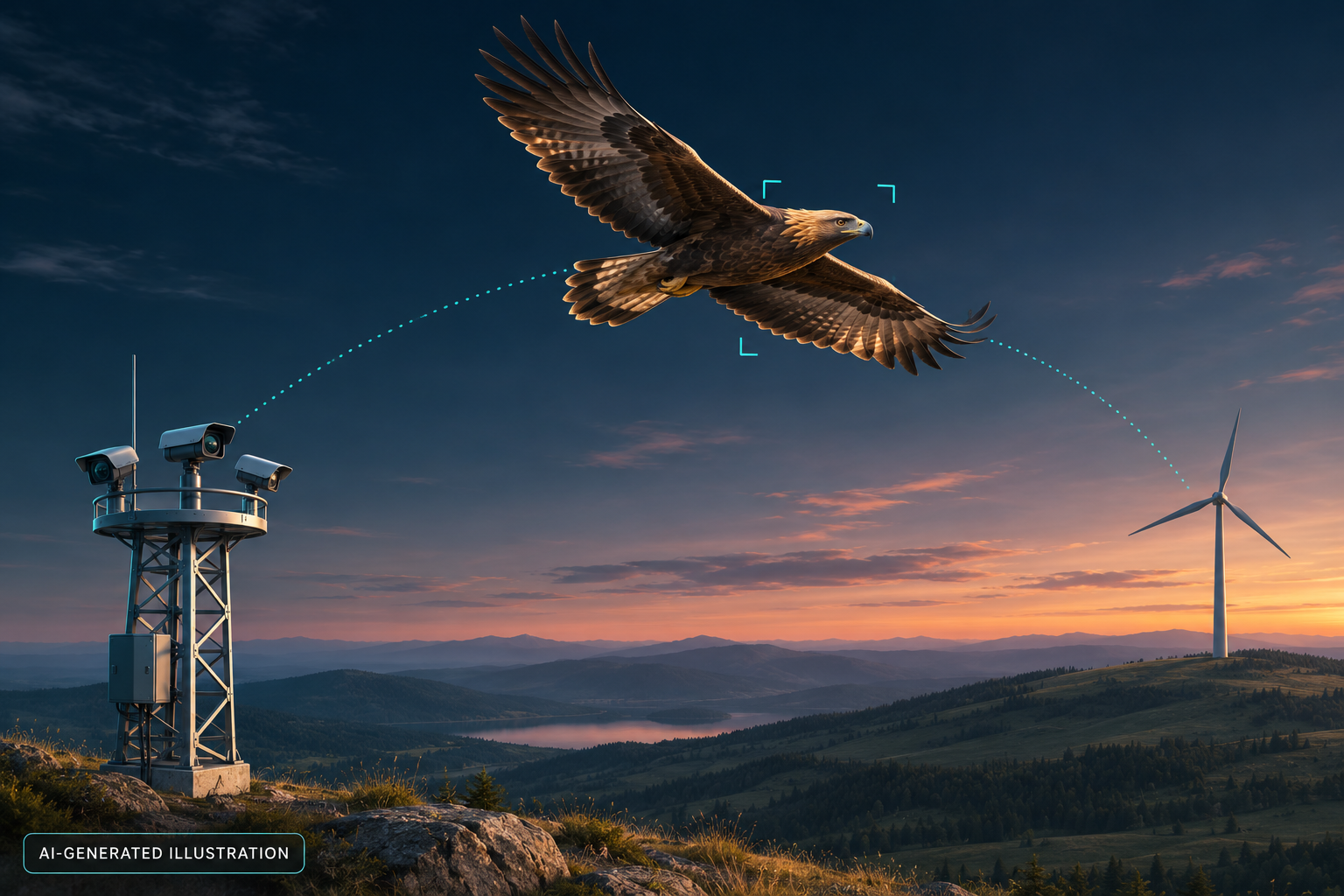
AI-generated illustration: A golden eagle crosses a stylised wind farm while a conceptual camera tower tracks its flight.
An approaching eagle changes what the machinery does next.
Nature & foodTested in a study

The wind turbines that pause when an eagle approaches

Discover the story
Result & evidence

AI-assisted cameras identify approaching eagles and trigger targeted turbine curtailment, helping wind-energy operators reduce wildlife collisions while limiting shutdowns to situations where birds face an immediate risk.

Documented result

A 2022 reanalysis estimated 85% fewer eagle fatalities after automated curtailment at a Wyoming wind farm, compared with the control trend.

The Peregrine Fund; US Geological Survey; IdentiFlight
Wyoming, United States 2022

The 95% uncertainty interval was 12–100%; this single-site result cannot be assumed for every species or wind farm.

Reviewed 2026-11-14
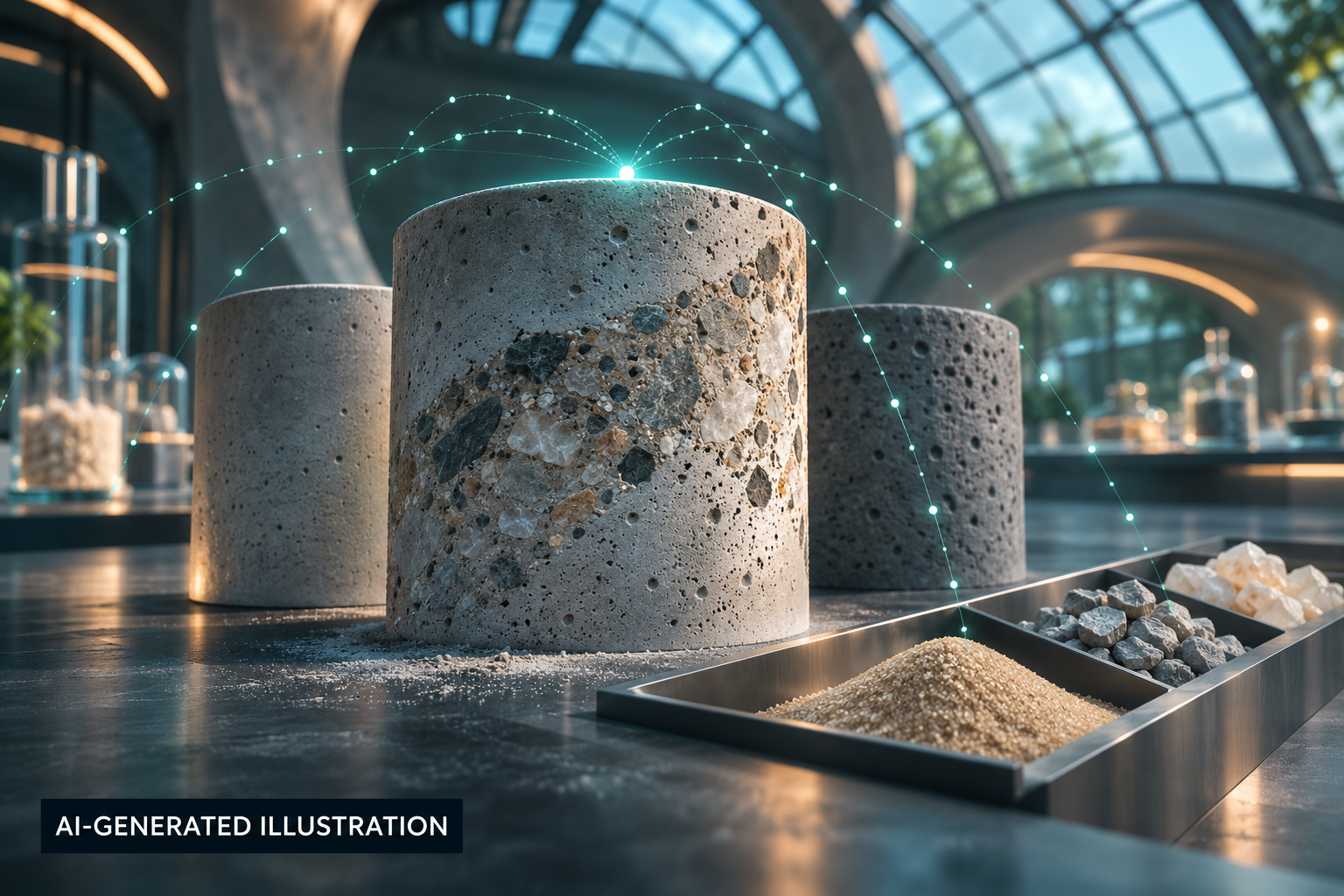
AI-generated illustration: Concrete specimens linked to a search for stronger, lower-carbon recipes.
Stronger sooner, with less carbon. What changed in the recipe?
Scientific discoveryIn use

Concrete that gets strong sooner—with less carbon

Discover the story
Result & evidence

An iterative AI-and-laboratory process designed concrete that reached useful early strength with lower embodied carbon, then passed practical slab tests for a real construction site.

Documented result

Illinois reported 43% higher early strength and 35% lower carbon intensity than the industry baseline mix; a formulation was used at Rosemount.

University of Illinois Urbana-Champaign, Meta and Amrize
Rosemount, Minnesota, United States 2025

Site-specific comparison reported by the project partners; lower material carbon does not measure the data centre’s overall environmental impact.

Reviewed 2026-11-14
AI-generated illustration: A stationary phone and an illustrative enlarged motion sensor detect vibrations, with other phones forming a sensing network.
Earthquake or a hand picking up the phone? The sensor feels both.
Disaster preparednessIn use

A phone on a table became part of a seismic network

Discover the story
Result & evidence

MyShake uses a neural network to distinguish earthquake-like motion from everyday movement, letting ordinary phones contribute ground-shaking measurements that help researchers understand earthquakes beyond the reach of dedicated monitoring stations.

Documented result

In its first ten months in 2016, the public smartphone network captured 395 earthquakes with confirmed waveforms around the world.

University of California, Berkeley
Global 2016

This result demonstrates sensing. Current US public alerts use ShakeAlert; they must not be attributed solely to phone AI.

Reviewed 2026-11-14
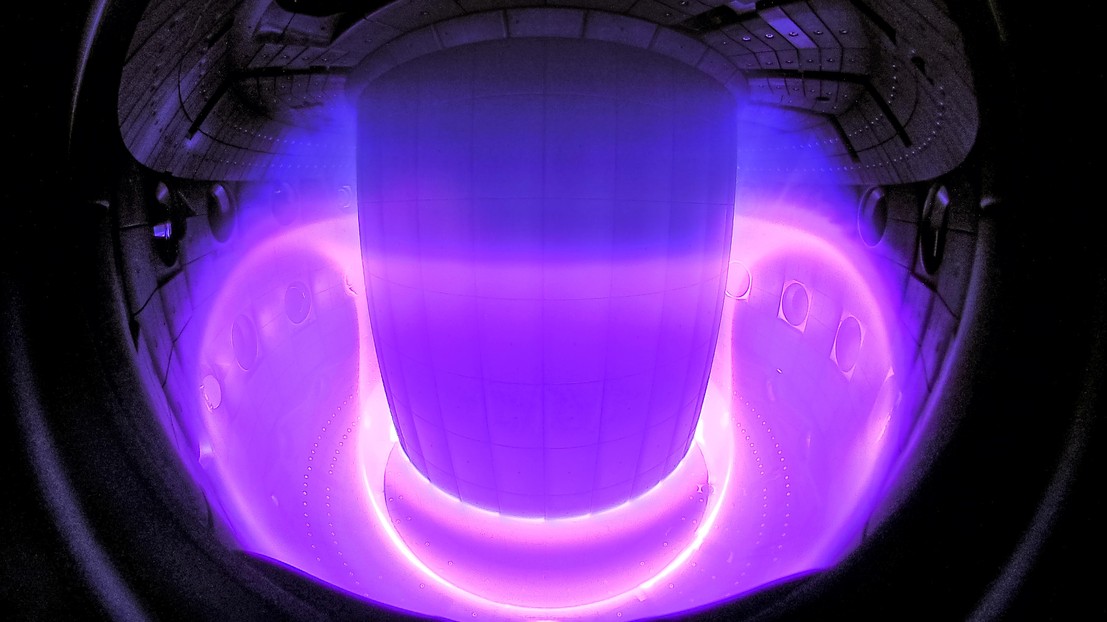
Purple plasma glows inside the TCV tokamak vessel.Original photograph
2022 EPFL / Curdin Wüthrich – SPCCC BY-SA 4.0
Energy & climateResearch

How an AI learned to hold two plasmas in one vessel

Discover the story
Result & evidence

Reinforcement learning controls magnetic coils in a real tokamak, enabling scientists to create and maintain complex plasma configurations as they investigate a possible future source of low-carbon energy.

Documented result

At EPFL’s TCV facility, a simulator-trained controller maintained multiple plasma shapes, including two separate plasmas simultaneously in one vessel.

EPFL Swiss Plasma Center; Google DeepMind
Lausanne, Switzerland 2022

A plasma-control research result is not commercial fusion electricity or a demonstrated reduction in today’s energy bills.

Reviewed 2026-11-14
A bigger picture of AI starts with concrete evidence.Back to filters ↑