BIGGER PICTURE Scientific discovery
301 planets were waiting in an archive
Kepler had already recorded their faint signals. ExoMiner helped astronomers distinguish genuine planets from convincing imposters, extracting new discoveries from observations already paid for.
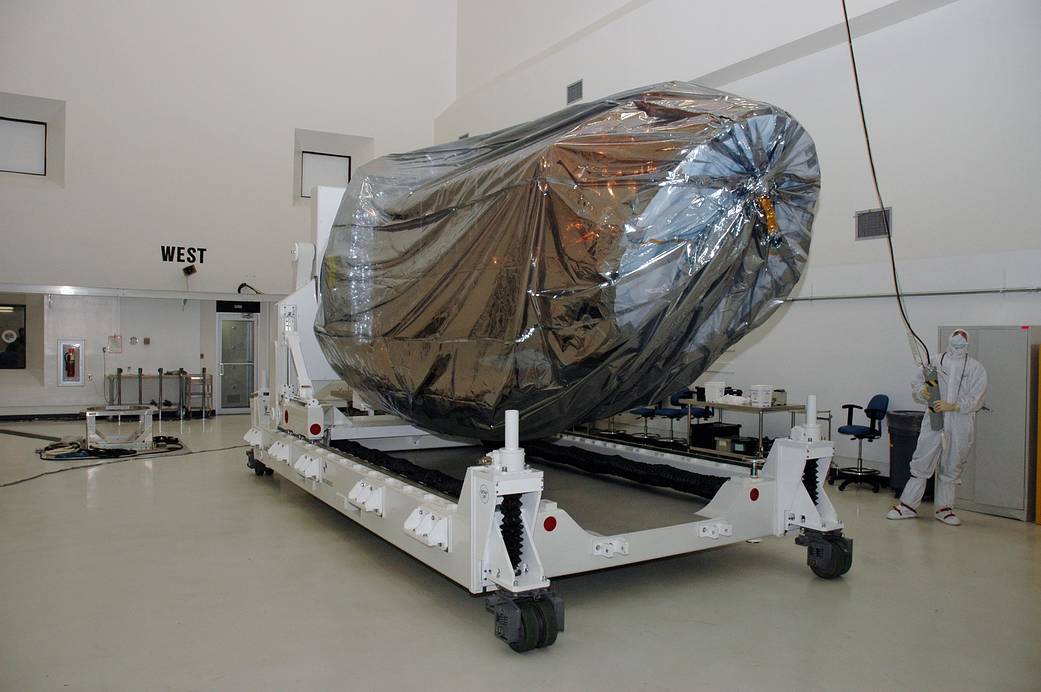 Original photograph
- Newly validated in 2021
- 301 planets
- Test-set recall
- 93.6% at 99% precision
- Best comparison classifier
- 76.3% recall at the same precision
How the idea works
Measure a stellar dip
Kepler light curves flag candidate transits.
Compare diagnostic evidence
Expert-inspired network branches distinguish planets from imposters.
Validate candidates statistically
Strict thresholds turn supported candidates into catalogue entries.
A tiny dip can have several explanations
A planet passing in front of its star briefly reduces the light reaching a telescope. But not every repeated dip is a planet. Other astronomical configurations and false signals can imitate a transit. Kepler’s archive therefore contained candidates that had been detected but still needed convincing statistical validation before joining the planetary census.
Sources: [1]
A network built around astronomers’ checks
ExoMiner learns from previously confirmed planets and known false positives. Its separate diagnostic components imitate the tests experts use when examining a candidate, rather than producing an unexplained score from a single picture. The researchers also developed a way to show which evidence influenced a classification, helping astronomers inspect the machine’s reasoning.
Sources: [2]
More planets at the same strict threshold
In the published test, ExoMiner recovered 93.6% of the planets at a fixed precision of 99%; the strongest comparison classifier recovered 76.3%. These are recall figures, not overall accuracy. Applying the method to previously unvalidated Kepler candidates allowed the team to validate 301 additional exoplanets, announced by NASA in November 2021.
A discovery engine for existing observations
This was statistical validation, not 301 newly photographed worlds, and none was considered Earth-like or within its star’s habitable zone in the announcement. Its value is foundational: a better catalogue helps researchers understand how planetary systems form and how unusual our own may be. Better analysis can make an existing telescope archive scientifically productive again.
Sources: [1]
The original sources
- NASA JPLNew Deep Learning Method Adds 301 Planets to Kepler’s Total Count
- Study authors / Astrophysical Journal manuscriptExoMiner: A Highly Accurate and Explainable Deep Learning Classifier that Validates 301 New Exoplanets